


 You’ve likely heard that dental implants can last a lifetime, but what does that really mean for your specific situation? When you’re considering a significant investment in your oral health, you deserve clear answers about what to expect. The truth is that while many implants do function for decades, their longevity depends on multiple factors that you have the power to influence.
At Dental Associates of Jersey City, our team of board-certified specialists has guided hundreds of patients through successful implant treatment. Dr. Yury Yuzvyak specializes in full-arch rehabilitation, while Dr. Akshay Parmar brings over a decade of experience in surgical and restorative prosthodontics, including his fellowship training in maxillofacial prosthetics at Memorial Sloan Kettering Cancer Center. Together with our experienced team, we combine advanced surgical techniques with meticulous prosthodontic care to help you achieve dental implant results that stand the test of time.
Understanding Dental Implant Lifespan
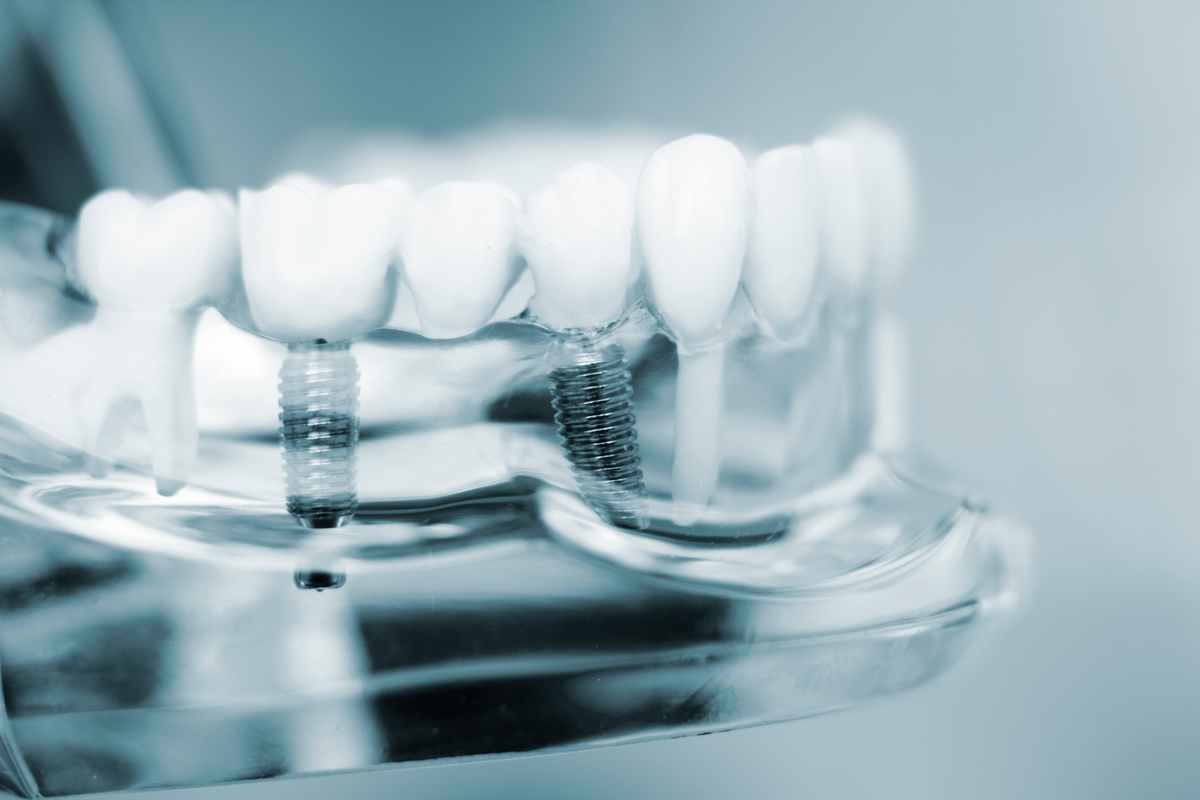
Dental implants consist of titanium posts surgically placed into the jawbone to act as artificial tooth roots. These posts integrate with the surrounding bone through a process called osseointegration, creating a stable foundation for replacement teeth. According to research published in Clinical Oral Investigations, approximately four out of five dental implants remain functional after 20 years, demonstrating the remarkable durability of this tooth replacement option.
The distinction between implant survival and implant success matters when discussing longevity. Survival simply means the implant remains in place, while success encompasses proper function, healthy surrounding tissues, and the absence of complications. Most patients who receive implants from qualified specialists experience both survival and success over extended periods, particularly when they maintain proper oral hygiene and attend regular dental appointments.
Multiple factors influence how long dental implants last, ranging from surgical placement technique and implant quality to patient health status and maintenance habits. Understanding these variables empowers you to take an active role in extending the functional life of your dental implants well beyond the average timeframe.
Factors That Influence Implant Longevity
The location where your implant is placed significantly affects its long-term success, along with several other key considerations that determine how well your implant performs over time.
Implant Location and Bone Quality
Implants positioned in the posterior mandible typically demonstrate higher survival rates compared to those placed in the maxilla, primarily due to differences in bone density and quality. The upper jaw generally contains softer, less dense bone that may require additional care during healing and integration.
Adequate bone volume and quality at the implant site directly impact initial stability and long-term success. Patients with insufficient bone may require bone grafting procedures before implant placement, though research shows that properly executed augmentation procedures do not necessarily compromise long-term outcomes when performed by experienced surgeons.
Systemic Health Conditions
Certain medical conditions require careful management to optimize implant success. Diabetes, when properly controlled, does not significantly increase implant failure rates, but uncontrolled blood sugar levels can impair healing and osseointegration. Similarly, osteoporosis presents considerations for implant placement, yet adequate treatment with appropriate medications often mitigates potential complications.
Patients taking antiresorptive medications for osteoporosis or other bone conditions should discuss their treatment plan with both their physician and dental surgeon. Studies indicate that well-managed patients on these medications can achieve excellent implant survival rates comparable to those without bone density concerns.
Oral Hygiene and Maintenance
Daily oral hygiene practices profoundly influence implant longevity. Plaque accumulation around implants can lead to peri-implant disease, a condition similar to gum disease that affects the tissues surrounding dental implants. Early stages of peri-implant disease are reversible with professional intervention, but progression to peri-implantitis can threaten implant stability and potentially lead to implant loss.
Effective home care includes gentle brushing with a soft-bristled toothbrush twice daily and thorough cleaning between teeth using floss, interdental brushes, or water flossers designed for implant maintenance. Regular professional cleanings every six months allow your dental team to monitor implant health, remove calculus buildup, and identify potential issues before they progress.
Lifestyle Factors and Risk Considerations
Tobacco use represents one of the most significant modifiable risk factors for implant failure. Smoking impairs blood flow to the surgical site, compromises healing, and increases the risk of infection during the critical osseointegration period. Patients who smoke face substantially higher rates of implant complications and failure compared to non-smokers, making smoking cessation an important step before undergoing implant surgery.
Parafunctional habits such as teeth grinding or clenching place excessive forces on dental implants and their restorations. Patients with bruxism should discuss protective measures with their dentist, such as wearing a custom nightguard to distribute forces evenly and protect both natural teeth and dental implants from damage caused by grinding.
The type of restoration placed on implants also influences long-term outcomes. Single crown restorations demonstrate excellent survival rates, while more complex prostheses may require periodic maintenance or adjustments over time to ensure continued function and comfort.
Maximizing Your Implant Investment
Professional follow-up care extends far beyond the initial healing period. Comprehensive implant maintenance includes periodic examinations to assess soft tissue health, radiographic evaluation to monitor bone levels around the implant, and professional cleaning using implant-safe instruments that preserve the implant surface. Most patients benefit from recall appointments every six to twelve months, with more frequent visits recommended during the first year following implant placement.
Early detection of potential complications allows for timely intervention that can preserve your implant. Warning signs that warrant immediate attention include persistent discomfort around the implant, visible inflammation or bleeding of surrounding tissues, looseness of the restoration, or changes in how your bite feels. Addressing these concerns promptly prevents minor issues from progressing into more serious complications.
Restore Your Smile With Confidence at Dental Associates of Jersey City
The longevity of dental implants depends on a partnership between skilled surgical placement, quality materials, and your commitment to ongoing care. At Dental Associates of Jersey City, Dr. Yury Yuzvyak’s specialized expertise in full-arch rehabilitation using magnet stackable guides, combined with Dr. Akshay Parmar’s extensive training in surgical and restorative prosthodontics, provides patients with comprehensive implant care that prioritizes both immediate success and long-term durability.
Our practice utilizes advanced diagnostic technology and evidence-based techniques to ensure optimal implant placement and restoration. From initial consultation through final restoration and ongoing maintenance, our experienced team guides you through every step of the implant process with personalized attention to your unique needs and goals. Contact our office today to schedule a comprehensive implant evaluation and discover how modern dental implant technology can restore your smile for decades to come.