
Digital technology has transformed modern dentistry, allowing practitioners to provide more precise, comfortable, and efficient care than ever before. At Dental Associates of Jersey City, we’ve embraced these cutting-edge innovations to enhance every aspect of your treatment experience.
Gone are the days of uncomfortable impressions and multiple appointments for dental restorations. Today’s digital tools enable us to complete complex procedures with greater accuracy while minimizing discomfort and reducing treatment time. These advances benefit patients and dental professionals, creating a more streamlined and effective approach to dental treatment.
Digital intraoral scanners have revolutionized how we capture the precise dimensions of your teeth and gums. Instead of using messy impression materials that can trigger gag reflexes, these sophisticated devices create detailed 3D models of your mouth in minutes.
The scanning process involves a small, comfortable wand that captures thousands of images per second. These images are instantly compiled into a comprehensive digital model that we can view, manipulate, and share with dental laboratories in real-time. This technology proves especially valuable for cosmetic dentistry procedures where precision is paramount.
Digital scans also improve communication between the patient and dentist. We can show you exactly what we see and explain treatment options using visual aids that make complex procedures easier to understand.
Computer-Aided Design and Computer-Aided Manufacturing (CAD/CAM) technology allows us to design and create dental restorations in our office. This means you can receive crowns, veneers, and other restorations in a single appointment rather than waiting weeks for laboratory fabrication.
The process begins with a digital scan of your prepared tooth. Our software then designs the restoration to match your natural tooth anatomy perfectly. The design is sent to an in-office milling machine that sculpts the restoration from a solid block of dental ceramic or composite material.
This reduces the need for temporary restorations and eliminates the possibility of impressions becoming distorted during shipping to outside laboratories. The result is a more precise fit and better long-term outcomes for patients.
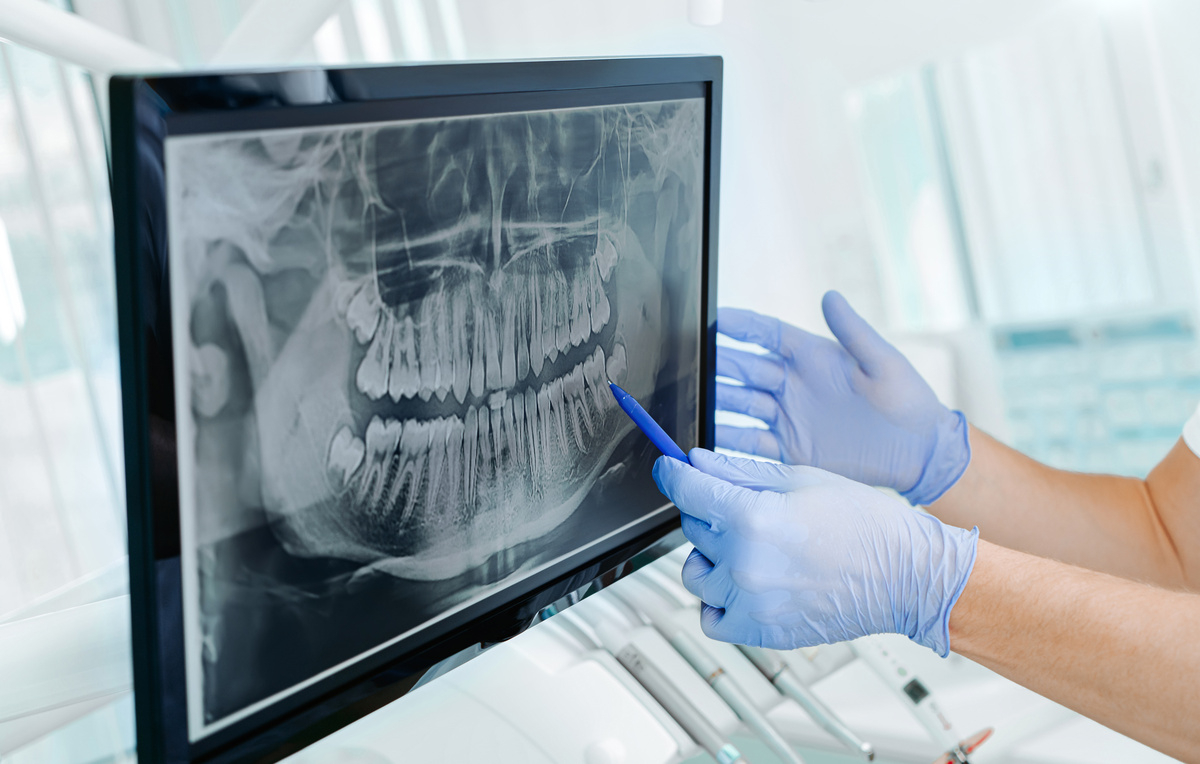
Cone beam computed tomography (CBCT) shows three-dimensional images of your teeth, jaw, and surrounding structures. This advanced imaging technology offers detailed views that traditional X-rays cannot provide, enabling more accurate diagnoses and treatment planning.
For dental implant procedures, CBCT imaging is particularly valuable. We can assess bone density, locate vital structures like nerves and sinuses, and plan implant placement with millimeter precision. This level of planning reduces surgical time and improves the predictability of successful outcomes.
3D imaging also helps us detect issues in their earliest stages, when treatment is generally less invasive and more conservative. Early detection can save patients time, discomfort, and expense while preserving more of their natural tooth structure.
High-resolution digital cameras allow us to capture detailed images of your teeth and gums before, during, and after treatment. These photographs serve multiple purposes in modern dental practice.
Documentation photos help us track changes in your oral health over time and provide valuable reference points for future treatments. They also enable better communication with specialists when referrals are necessary, ensuring continuity of care across different providers.
For cosmetic procedures, before-and-after photography helps you visualize potential results and make informed decisions about treatment options. These images also serve as valuable records of successful outcomes.
Dental lasers provide a gentler alternative to traditional instruments for many soft tissue procedures. These devices can precisely remove diseased tissue while promoting faster healing and reducing post-operative discomfort.
Laser technology proves particularly beneficial for periodontal treatment, where precision is crucial for removing infected tissue while preserving healthy structures. The concentrated light energy of dental lasers also helps sterilize treatment areas, reducing the risk of post-operative complications.
Many laser procedures can be completed without local anesthesia, making treatment more comfortable for patients who experience anxiety about dental injections.
Electronic health records systems streamline patient care by providing instant access to comprehensive treatment histories, diagnostic images, and treatment plans. Digital records eliminate the storage and retrieval challenges associated with paper files while improving communication between team members.
These systems also enhance patient safety by providing automatic alerts for allergies, drug interactions, and other important medical information. Digital records can be easily shared with specialists or other healthcare providers when necessary, ensuring coordinated care.
Automated appointment reminders and treatment follow-up systems help patients stay current with their oral healthcare while reducing missed appointments and improving treatment outcomes.
Artificial intelligence and machine learning are starting to play larger roles in dental diagnosis and treatment planning. These technologies can analyze diagnostic images to identify problems that might be missed by the human eye and suggest optimal treatment approaches based on vast databases of successful cases.
3D printing technology continues to advance, allowing us to create surgical guides, models, and even some restorations directly in our office. This capability further reduces treatment time and improves the precision of dental procedures.
As these technologies evolve, patients may expect even more comfortable, efficient, and effective dental care. The integration of digital tools represents a fundamental shift toward more predictable outcomes and improved patient experiences.
At Dental Associates of Jersey City, Dr. Andriy Yuzvyak and our team remain committed to incorporating the latest technological advances into our practice. We believe that staying current with digital innovations allows us to provide the highest quality care while ensuring your comfort throughout the treatment process.
Contact our office to schedule a consultation and learn how advanced technology can improve your dental care experience. Our team is dedicated to helping you achieve optimal oral health using the most current and effective treatment methods available.